Version control for orchestra parts.
Varius reads every revision of every part, finds what changed — bowings, dynamics, tempo markings — and shows you before the next downbeat.
Get in touchYour parts change every rehearsal.
Nothing tracks what changed.
A new bowing from the principal. A penciled-in fingering. A subito p that wasn’t in last week’s edition. They land on the stand the morning of the concert, and the section finds out one stand at a time. Varius is the infrastructure your library doesn’t have yet — annotation, version control, and part distribution in one place.
An average full-orchestra classical program can involve 3,000 pages of music to prepare, with librarians most often working on at least eight different programs at once.
If bowings are not in the parts before rehearsals start, you will lose a LOT of rehearsal time, and there are few things more guaranteed to annoy wind, brass and percussion players than a rehearsal where half the time is spent talking about bowings.
All that work vanishes when the parts are returned to a publisher or rental agency.
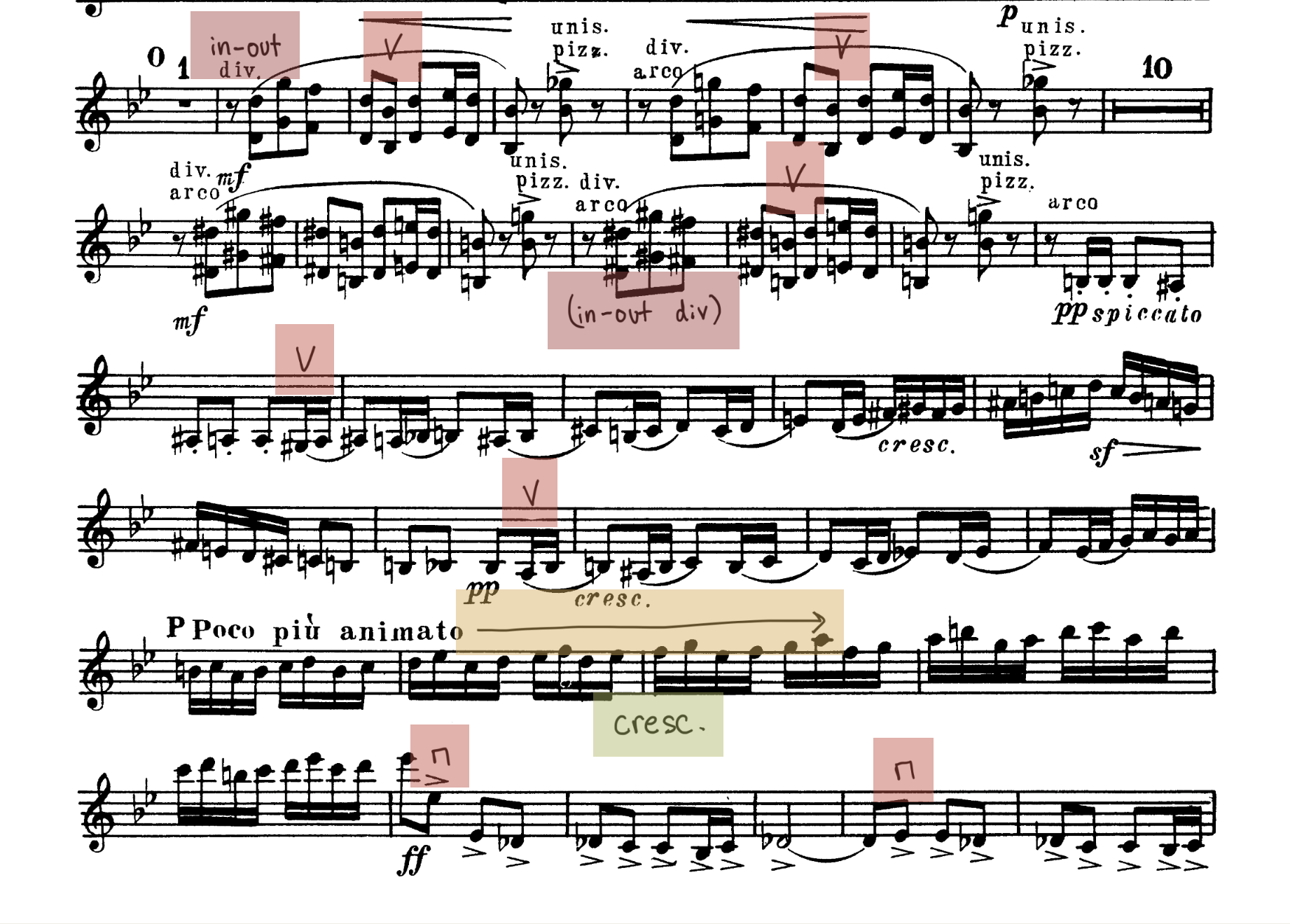
New revision. What changed?
Upload the new version. Varius finds every change, classifies it by type, and maps it to the nearest measure. You get a sortable register: bowings, dynamics, tempo, and more. All before the next rehearsal.
No all-or-nothing decision.
Some sections stay on paper. Some move to iPads. Some do both in the same rehearsal. Varius works underneath without asking anyone to change how they rehearse.
On paper
Players mark in pencil as always. Nothing changes at the stand. The librarian keeps the digital record.
On iPad
Pushes land on every stand in the room. Full annotation, live diff, every revision in archive.
Both
Different players, same section, same rehearsal. Varius routes markings to whoever's on iPad. Paper players work as they always have.
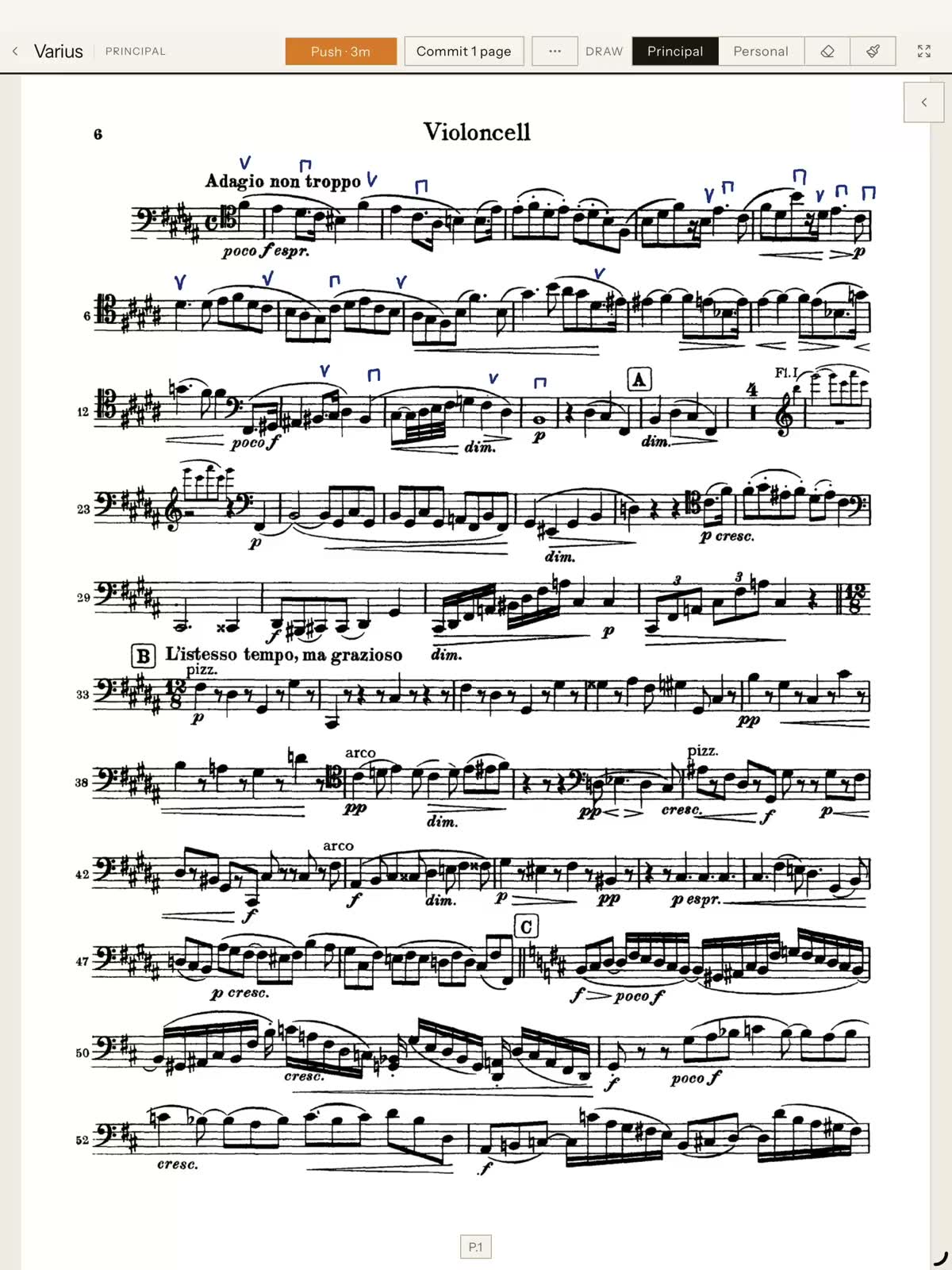
Live, on every iPad in the section.
The principal pencils a new bowing on the iPad*. Every other stand sees it instantly. Section members keep their own layer of personal annotations.
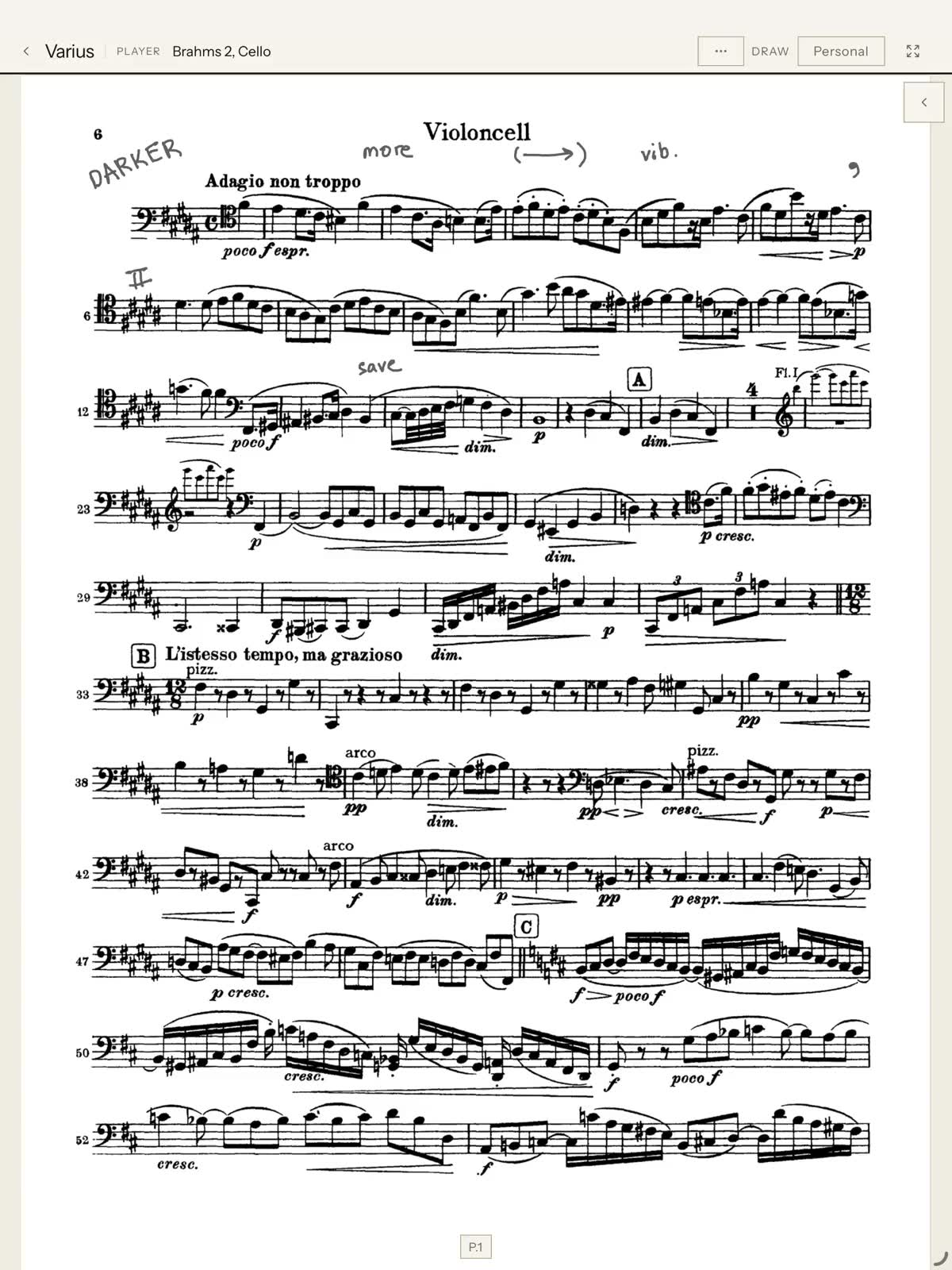
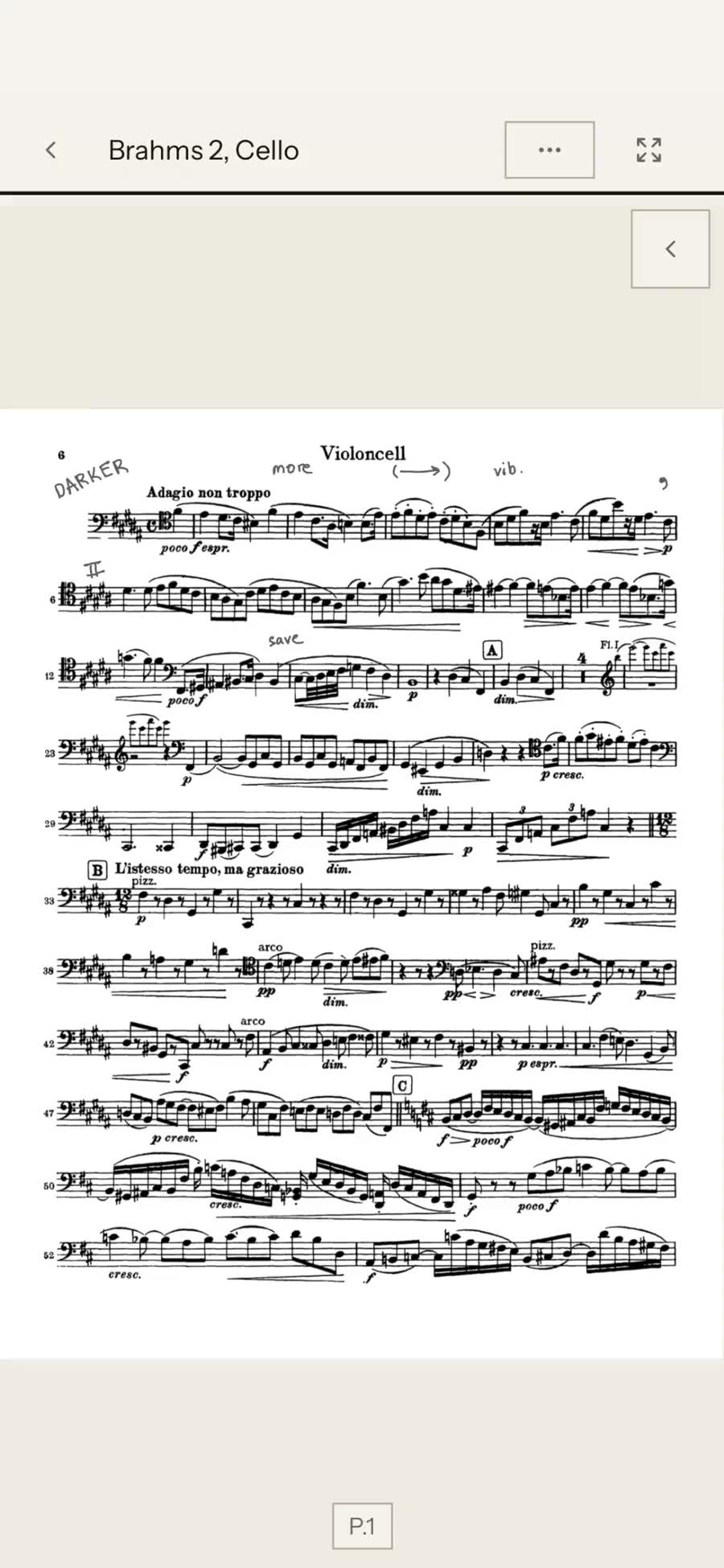
Annotation is available on iPad only. iPhone receives live pushes in view-only mode. Android support is on the roadmap.
Every piece. Every part. Every version. In one place.
The diff isn’t the end of the work; it’s an entry in an archive. Years from now, when a piece comes back into rotation, you’ll know exactly how you played it last time, down to the bowing on every desk.
One tool. Two perspectives.
The librarian and the principal share one back office. The section member gets a smaller, calmer surface: their part, what changed, when it changed.
The back office
- Dashboard of every piece and part across the season
- Diff engine identifies bowings, dynamics, fingerings, and tempo
- Version history builds an archive that compounds year over year
- Highlighted PDF export with a change legend, ready to print
- Section assignments and roster management
- Push bowings and markings live to every stand during rehearsal
The stand
- Always the latest version of your part
- Markings pushed live to your stand the moment they’re added
- Push notifications when your part is revised
- See exactly what changed during rehearsal, or between them
The four questions we hear first.
Pricing, paper workflows, and what happens to your archive. The full list lives on the FAQ page.
Your orchestra, finally on the same page.
Start with one program. Build an archive that gets more useful every season.
Get in touch